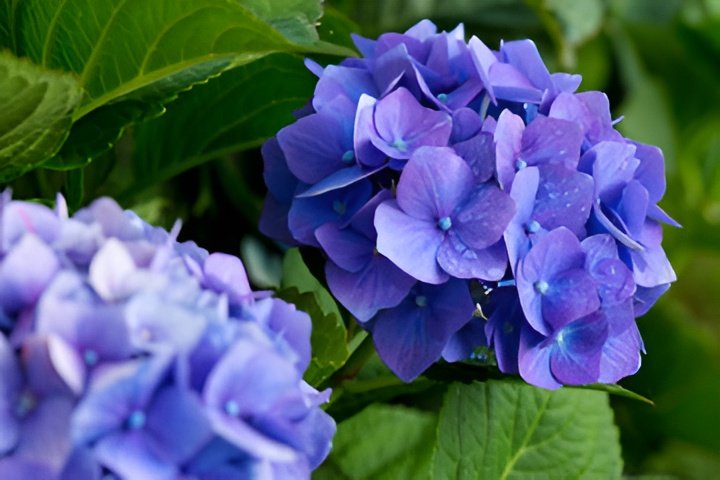
Hyndreas have a way of stopping people in their tracks because their blooms look like soft clouds of color, and yet the plant stays humble and calm in a garden setting, and as you learn more, you realize hyndreas bring not only beauty but also feeling, mood, and a sense of calm, and therefore many people choose them for homes, paths, and special life moments because they make spaces feel alive while staying graceful.
History of hyndreas and how people began to love them
People grew hyndreas for many years across different regions, and slowly they became part of home yards, parks, and celebrations, and as gardeners shared cuttings with friends, the plant spread from place to place, and over time its soft petals began to symbolize care, peace, comfort, and heartfelt emotion, so now when someone plants hyndreas, they often feel connected to traditions and stories that were carried along with the blooms through generations of plant lovers.
Understanding the look and form of hyndreas
The structure of hyndreas is simple yet striking because the plant carries large round flowers that gather many tiny petals, creating a full and cloudlike ball, while the leaves stay deep green and wide, giving strength and balance to the soft flowers, and as the wind moves through them, the blooms sway in a slow and calming way that makes outdoor spaces feel gentle and alive at the same time.
Colors of hyndreas and meanings people see in them
The colors of hyndreas often guide emotions, since soft blues feel peaceful, gentle pink tones feel loving and warm, and creamy shades feel elegant and calm, and people often choose colors to match events, rooms, or garden themes, and even though science explains why colors shift with soil character, many people simply enjoy the surprise and story each color carries with hyndreas in their own garden world.
Hyndreas in home gardens and why they fit so well
Hyndreas suit home gardens because they fill empty corners, frame doors and windows, and soften walls and fences, and because the plant grows with a bushy shape, it can anchor a garden bed and draw the eye without loud effort, and as a result people enjoy planting hyndreas near sitting areas so they can relax, breathe, and enjoy calm color around daily life moments spent outdoors.
Planting hyndreas in the right place
Choosing a place for hyndreas matters because they enjoy bright light in the early part of the day while preferring shade when the sun grows harsh, so yards with filtered light let them stay strong, and since the soil needs to drain water without staying soggy, gardeners often loosen soil and add organic matter, and then hyndreas reward that small care with healthier leaves and fuller blooms that feel worth every bit of effort.
Watering habits that keep hyndreas happy
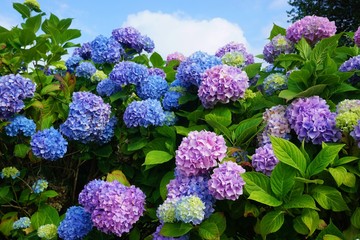
Hyndreas respond quickly to water care because their leaves show thirst by drooping, and when given a deep drink, they perk back up with almost dramatic relief, so regular watering keeps them steady, and still, the ground should not stay soaked, and with steady moisture and mulched soil, the roots stay cool and protected, and the plant continues to produce lush growth, showing clearly how consistent care helps hyndreas thrive.
Soil character and the way it shapes hyndreas color
Soil plays a quiet but powerful role in hyndreas color because the balance in the ground can guide blooms toward cooler shades or warmer tones, and gardeners enjoy this living color story, adjusting soil slowly through natural materials, and though the science behind it can be complex, what truly matters is that hyndreas reflect their environment, creating a living expression of the ground beneath them and the care given by the person growing them.
Hyndreas through seasons of the year
Hyndreas change through seasons as buds form, flowers open, petals mature, and foliage shifts, and this rhythm gives gardeners something to look forward to during each stage, and when blooms finally open, the plant becomes the star of the space, then later rests and prepares for another cycle, reminding people that growth, rest, and renewal are natural parts of life that repeat gently with hyndreas as a calm example in the garden.
Pruning hyndreas and shaping their growth
Pruning hyndreas helps shape the plant, remove tired stems, and guide energy into strong new growth, and when done at the right time for each type, it supports better blooming in the future, while gentle shaping gives cleaner lines and airflow within the plant, and though some people fear cutting back plants, hyndreas usually respond well to thoughtful pruning, rewarding the effort with fresher growth and cleaner overall form that looks cared for.
Hyndreas as indoor decor in vases and arrangements
People love using hyndreas cut blooms indoors because they hold shape and color beautifully in vases, centerpieces, and simple jars, and the rounded flower heads instantly fill space without effort, creating elegance on tables, shelves, and entryways, and even when dried, hyndreas keep a soft vintage look that people enjoy in long lasting arrangements, making them useful both fresh and preserved as part of home decoration and memory keeping.
Symbolic meaning of hyndreas in life moments
Hyndreas often appear during meaningful life events because people sense symbolism in their full blooms, seeing gratitude, peace, apology, empathy, and deep affection in their petals, and families choose them for celebrations, remembrances, and milestones, and each time they appear, they send a quiet message of care without loud words, letting color and shape speak on their own, which is why hyndreas hold a special emotional place in many hearts.
Hyndreas in landscape design and outdoor planning
Designers use hyndreas when shaping outdoor spaces because they add structure, softness, and height while still blending with other plants, so they work near walkways, patios, and shade trees, and when grouped together, they form living walls of color and texture, helping frame views and create natural rooms in gardens, showing how hyndreas bring both beauty and design function without feeling forced or overly formal in the landscape.
Caring for young hyndreas plants
Young hyndreas need gentle handling because their roots are still settling into the soil, so steady moisture, light mulch, and protection from harsh heat help them anchor well, and over time their stems grow stronger and begin to branch, and with patience they develop into full shrubs that produce rounded flower clusters, showing clearly that slow steady care pays off as small plants become mature hyndreas full of character and life.
Common challenges with hyndreas and calm solutions
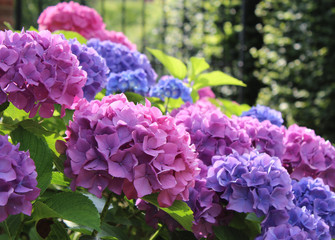
Sometimes leaves may wilt, edges brown, or blooms seem smaller than expected, yet these signs usually point to water stress, excess heat, or poor soil, and by adjusting shade, watering rhythm, or organic matter, gardeners often see quick improvement, and therefore hyndreas teach patience and observation, reminding growers that plants communicate through leaves and flowers, and responding with calm attention usually restores their strength and beauty again.
Hyndreas and wildlife in the garden
Hyndreas support gentle garden life because their flowers attract pollinators that move softly from bloom to bloom, and their leafy structure offers shelter to small creatures, adding to the quiet ecosystem of a yard, and as people watch butterflies and other visitors interact with the blooms, they feel more connected to nature, realizing hyndreas are not only decorative, but also part of a living community that depends on balance and care.
Using hyndreas for mood and emotional comfort
Many people find personal comfort in tending hyndreas, since gardening itself slows the mind and hands, and watching new leaves open or blooms form brings calm pride, so these plants become part of daily routines that reduce stress, and their soft colors help lift mood, turning simple spaces into nurturing environments where people pause, breathe deeper, and feel grounded while being around hyndreas as steady companions in both sunlight and shade.
Hyndreas in cultural stories and traditions
In many places, hyndreas appear in stories, art, and celebrations, symbolizing heartfelt emotion, gratitude, and sometimes apology, and they are often gifted during meaningful visits to express feelings that words struggle to carry, and because of their wide rounded blooms, many cultures see them as signs of abundance and fullness of heart, showing how hyndreas reached beyond gardens into human meaning, art, poetry, and shared cultural memory over time.
Growing hyndreas in containers and small spaces
Hyndreas do not always need wide open ground, because they can also live well in large containers on balconies, porches, and small courtyards, provided the pot drains well and the soil stays rich and airy, and with steady watering and feeding, container hyndreas bloom generously, allowing people with limited space to enjoy them, proving that beauty and plant companionship are possible even in compact living areas where ground planting is not available.
Hyndreas color inspiration for home styling
People often draw color themes from hyndreas to design rooms, weddings, and event decorations, using their blues, pinks, creams, and purples as gentle guides for fabrics, flowers, and table pieces, and because these shades are soft yet expressive, they create warm welcoming moods, showing how hyndreas influence style choices beyond the garden and inspire palettes that feel natural, calming, and connected to living plants and outdoor light.
Long term relationship between people and hyndreas
When someone plants hyndreas, they often build a long relationship with the shrub, watching it grow, change, rest, and bloom again as years pass, and memories collect around it, such as family gatherings, photos, and quiet mornings, and in this way hyndreas become part of the story of a home, standing as living witnesses to everyday life while continuing to offer color, shade, and emotional comfort through every cycle of growth.
Future of hyndreas in modern gardening
As more people move toward natural yards and gentle landscaping, hyndreas continue to fit into those dreams because they offer beauty without harsh lines, and gardeners experiment with different forms and colors through careful breeding and sharing, while still valuing traditional types loved for many years, so the future of hyndreas remains bright, filled with creativity, appreciation, and deeper connection between people, plants, and the spaces they grow together.
Conclusion
Here’s the heart of it. Hyndreas bring color, calm, and quiet beauty into everyday spaces, and they do it without demanding complicated care or constant attention. When you give them gentle light, steady water, and kind patience, they reward you with soft blooms that feel peaceful and welcoming. Over time, they become more than just plants, because they start to feel like part of the home story, always there through seasons and memories. So when someone chooses hyndreas for a garden or container space, they are really choosing warmth, softness, and a little daily joy, growing slowly and kindly alongside the people who care for them.
FAQs about hyndreas
Hyndreas basic care explanation
Hyndreas need steady water, partial light, and well drained soil, and with these simple needs met they grow full and healthy and offer generous blooms.
Meaning of hyndreas blooms
Hyndreas blooms often represent gratitude, peace, empathy, and deep emotion, and people use them to express gentle feelings without heavy words.
Hyndreas color change explanation
Hyndreas color may shift with soil character and plant type, and gardeners enjoy this living color story as part of the plant’s natural charm.
Hyndreas indoor use explanation
Hyndreas flowers work well in indoor arrangements both fresh and dried, bringing soft color and full shape into rooms and celebration spaces.
Hyndreas best placement explanation
Hyndreas grow best where early light reaches them and harsh afternoon heat is softened, and this balance keeps leaves strong and blooms abundant.
Read also: Nhrntak Explained Features, Benefits, and Uses