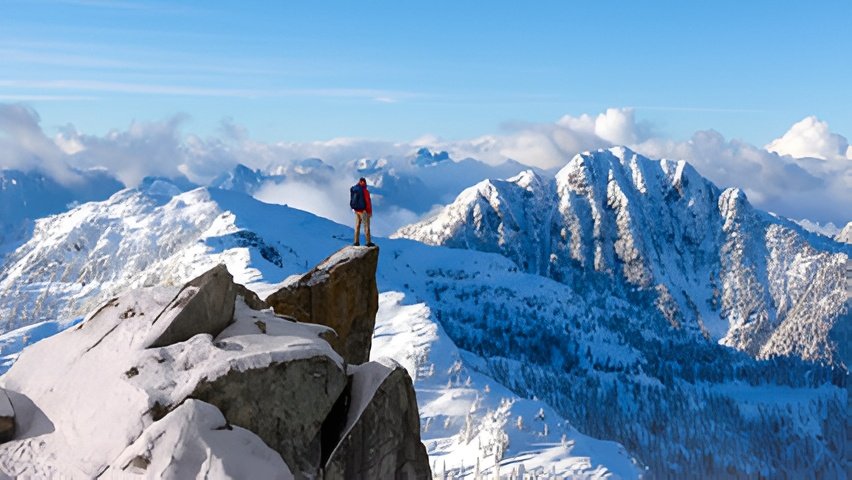
How Hard Is It To Climb Timgoraho Mountain, Many people around the world feel curious about remote and mysterious mountains, and Timgoraho Mountain often comes up in that discussion. The phrase how hard is it to climb timgoraho mountain attracts hikers, adventure lovers, and readers who simply want clear information in simple words. This mountain feels unknown to many, which adds to its appeal. However, climbing it demands respect, patience, and preparation. The climb is not just about walking upward. Instead, it tests the body, the mind, and the ability to adapt to nature. Understanding the difficulty begins with knowing that this mountain does not forgive careless planning.
Location and Natural Setting of Timgoraho Mountain
Timgoraho Mountain sits in a rugged natural environment where the land feels wild and untouched. The surrounding area includes rocky ground, uneven paths, and long stretches without clear markings. Because of this setting, climbers must rely on awareness and experience rather than comfort. The mountain feels isolated, and that isolation increases the challenge. Nature controls everything here, including weather, visibility, and access. When people ask how hard is it to climb timgoraho mountain, the answer often starts with its location, because remoteness alone adds a strong layer of difficulty to the climb.
Overall Difficulty of the Climb
The overall difficulty of climbing Timgoraho Mountain ranges from demanding to extremely demanding depending on experience. This is not a casual hike meant for relaxed exploration. The terrain challenges balance, strength, and endurance at the same time. Climbers must handle long uphill stretches, loose rocks, and sudden changes in slope. The mountain demands full attention throughout the journey. Even experienced hikers find that the climb pushes their limits. For beginners, the difficulty can feel overwhelming. So when people think about how hard is it to climb timgoraho mountain, the honest answer is that it requires serious physical and mental readiness.
Terrain and Ground Conditions
The terrain of Timgoraho Mountain plays a major role in its difficulty. The ground often shifts between rocky paths, steep inclines, and narrow ridges. Some areas feel unstable underfoot, which forces climbers to move slowly and carefully. One wrong step can lead to injury or exhaustion. Unlike smooth trails, this mountain offers little comfort. The terrain constantly demands focus and adjustment. This makes progress slower and more tiring. Over time, this constant effort builds fatigue. That is why terrain remains one of the strongest reasons people consider how hard is it to climb timgoraho mountain before attempting it.
Physical Strength Requirements
Climbing Timgoraho Mountain requires strong legs, a stable core, and lasting endurance. The climb includes long periods of upward movement with few chances to rest comfortably. Muscles work continuously to maintain balance and forward motion. Weak preparation often leads to early exhaustion. Even those who feel fit may struggle if they lack mountain experience. Strength alone does not guarantee success, but without it the climb becomes unsafe. Training beforehand makes a major difference. Physical readiness shapes the experience and determines whether the climb feels challenging or unbearable.
Endurance and Stamina Demands
Endurance matters as much as strength on Timgoraho Mountain. The climb stretches over long periods where the body must keep moving despite fatigue. Stamina helps climbers maintain a steady pace and avoid burnout. Without endurance, small obstacles feel much larger. The mountain does not allow rushed movement, so climbers must sustain energy for extended time. Proper pacing becomes essential. This aspect often surprises climbers who underestimate the effort involved. That surprise leads many to rethink how hard is it to climb timgoraho mountain after facing its endurance demands firsthand.
Mental Strength and Focus
Mental strength plays a powerful role during the climb. Timgoraho Mountain challenges confidence, patience, and decision making. Climbers face moments of doubt, especially when the path feels endless or conditions worsen. Fear and stress can weaken judgment. Staying calm helps climbers move safely and make smart choices. Mental fatigue often appears before physical exhaustion. Those who prepare mentally handle challenges better and enjoy the experience more. The mental aspect often defines success more than physical ability alone.
Weather Conditions and Their Impact
Weather conditions around Timgoraho Mountain change quickly and without warning. Sudden cold, strong winds, or heavy clouds can appear and increase difficulty instantly. Poor weather reduces visibility and makes terrain more dangerous. Climbers must prepare for unpredictable conditions at all times. Weather influences safety, speed, and comfort. Ignoring weather risks leads to serious trouble. Because of this, many climbers rank weather as one of the hardest parts of the experience. It strongly affects how hard is it to climb timgoraho mountain in real situations.
Altitude Effects on the Body
Altitude affects breathing, energy levels, and overall comfort during the climb. As elevation increases, oxygen becomes thinner, making movement harder. Some climbers feel headaches, dizziness, or nausea. These symptoms slow progress and reduce strength. Proper acclimatization helps but requires time and patience. Rushing the climb worsens altitude effects. Many underestimate how strongly altitude changes the experience. This factor alone turns an already demanding climb into a serious physical test.
Navigation and Route Finding
Navigation on Timgoraho Mountain presents its own challenges. Trails are often unclear or completely absent. Climbers must read the landscape and choose safe paths. Poor navigation leads to wasted energy and increased risk. Experience with map reading and terrain awareness helps greatly. Without navigation skills, climbers feel lost and stressed. This mental pressure adds to the difficulty. Knowing where to go reduces danger but requires preparation and confidence.
Equipment and Gear Importance
Proper equipment plays a vital role in managing the difficulty of the climb. Strong footwear, protective clothing, and reliable gear support safety and comfort. Inadequate equipment increases strain and risk. Gear does not make the climb easy, but it makes it manageable. Carrying the right tools allows climbers to respond to changing conditions. Preparation shows respect for the mountain. Many failed attempts trace back to poor equipment choices.
Experience Level and Skill
Experience changes how climbers perceive the difficulty. Skilled climbers move efficiently and stay calm under pressure. Beginners often struggle with pacing and decision making. Skills like balance, footing, and route choice improve with practice. Experience does not remove difficulty, but it reduces danger. This difference explains why people give different answers to how hard is it to climb timgoraho mountain. Skill level shapes the entire experience.
Safety Risks and Awareness
Safety risks exist throughout the climb and demand constant awareness. Loose rocks, steep drops, and sudden weather shifts create danger. Staying alert prevents accidents. Climbers must watch their footing and surroundings at all times. Fatigue increases risk, so rest and hydration matter. Respecting limits helps maintain safety. Awareness turns a risky climb into a controlled challenge.
Time Commitment and Patience
Climbing Timgoraho Mountain requires patience and realistic time planning. Progress often moves slower than expected. Rushing increases exhaustion and mistakes. Climbers must accept the pace the mountain allows. Patience helps manage energy and focus. Time commitment becomes part of the challenge. Those who expect quick results often feel frustrated. Understanding the time demand prepares climbers mentally and physically.
Preparation Before the Climb
Preparation determines success more than strength alone. Training, planning, and mental readiness build confidence. Studying terrain, weather patterns, and physical limits improves safety. Preparation reduces surprises and stress. Well prepared climbers feel more in control. This preparation answers many concerns behind how hard is it to climb timgoraho mountain. The climb rewards those who respect it beforehand.
Emotional Experience During the Climb
The emotional journey on Timgoraho Mountain shifts constantly. Excitement mixes with fear, determination, and pride. Difficult moments test motivation. Success brings deep satisfaction. The emotional weight adds to the challenge but also to the reward. Many climbers remember the feelings more than the physical pain. This emotional depth defines the experience.
Reward at the Summit
Reaching the summit brings a sense of accomplishment that feels powerful and personal. The effort, struggle, and patience come together in one moment. Views from the top remind climbers why they accepted the challenge. The reward feels earned. This moment often reshapes how climbers remember the difficulty. Hard work transforms into pride and respect for the mountain.
Conclusion
Timgoraho Mountain stands as a serious challenge that demands strength, skill, and humility. It tests every part of a climber. The difficulty never feels artificial. Nature sets the rules. Those who prepare and respect the climb gain a meaningful experience. Understanding how hard is it to climb timgoraho mountain helps climbers decide if they are ready for the journey.
Frequently Asked Information Section
Climbing difficulty level explanation
The climb demands high physical effort, strong focus, and mountain experience, making it unsuitable for casual hiking.
Suitability for beginners
Beginners often struggle due to terrain, endurance needs, and navigation challenges.
Importance of preparation
Preparation reduces risk, improves confidence, and helps manage weather and altitude effects.
Main physical challenges
Long climbs, uneven ground, and sustained effort place heavy demands on the body.
Mental challenges involved
Stress, fatigue, and decision making test mental strength throughout the climb.
Read also: How тщквыекщь Became an Interesting Digital Expression