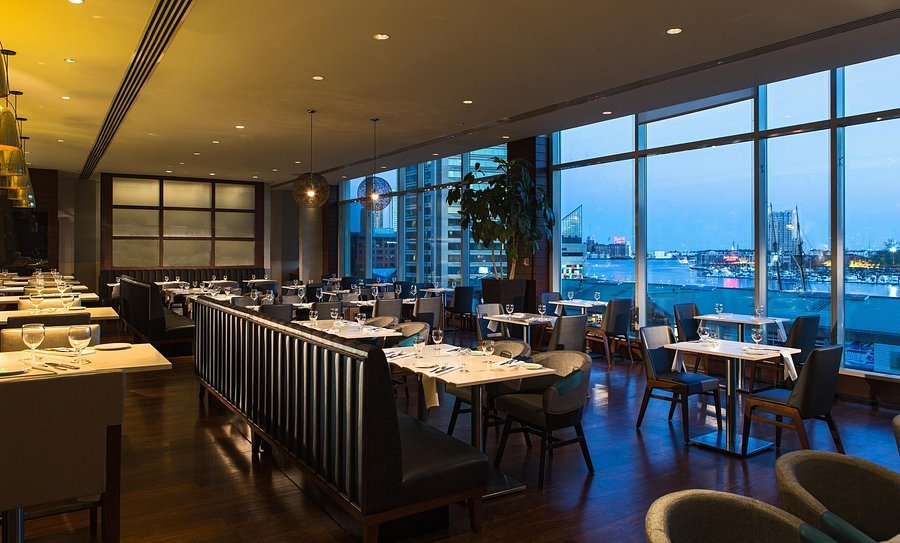
The appeal of coastal dining is universal. Diners flock to waterfront restaurants and luxury beachside hotels for the ocean breeze, the spectacular views, and the relaxed atmosphere. Investors pour millions of dollars into designing pristine dining rooms and state of the art kitchens to accommodate massive crowds. However, the most critical piece of infrastructure keeping these lucrative businesses operational is entirely invisible, buried deep beneath the parking lot.
Every time a dishwasher runs, a sink drains, or a bathroom is used, hundreds of gallons of water flow into a decentralized subterranean wastewater system. For a long time, the mechanics of these systems were highly predictable. Today, a quiet environmental shift is threatening to compromise this infrastructure entirely. The rising coastal water table is slowly drowning the very ground these businesses rely on to function.
The Physics of the Commercial Grease Trap
To understand the threat, you must look at how a high volume hospitality business handles waste. A residential home produces mostly standard organic wastewater. A busy restaurant produces massive quantities of fats, oils, and grease. These substances are the ultimate enemy of underground plumbing. If grease enters a soil drainage field, it instantly solidifies, clogging the porous dirt and creating an impermeable barrier that ruins the entire system.
To prevent this, commercial kitchens rely on massive underground grease interceptors. These highly engineered concrete vaults force the wastewater to slow down and cool. The grease floats to the top, the heavy food solids sink to the bottom, and the clear water in the middle flows out to a secondary treatment tank or a subterranean soil drain field. This entire process relies on one fundamental requirement: gravity and dry soil.
The Hydrostatic Pressure Problem
In low lying coastal environments, the soil is basically a sponge sitting right next to the ocean. The water table is the level at which the ground becomes completely saturated with groundwater. Historically, engineers designed commercial drain fields with a safe buffer of dry soil between the buried pipes and the water table below. This dry soil acts as a natural biological filter, cleaning the effluent before it returns to the earth.
However, as sea levels slowly rise and extreme weather events push tidal waters further inland, the coastal water table is creeping upward. This creates a devastating two part problem for commercial property owners.
First, when the groundwater rises to meet the buried drain field, the soil becomes completely saturated. Saturated soil cannot absorb new liquid. When the restaurant kitchen sends hundreds of gallons of water down the drain during a busy dinner rush, the effluent hits a literal wall of groundwater. It has nowhere to go.
Second, this trapped water creates intense hydrostatic pressure. The groundwater actually begins to push backward against the flow of the plumbing. This backward pressure forces the trapped fats, oils, and grease inside the interceptor to overflow their containment baffles. The grease spills directly into the failing drain field, accelerating the destruction of the soil and guaranteeing a catastrophic backup.
The Financial Cascade of Failure
When a commercial wastewater system fails due to groundwater saturation, the financial impact is immediate and brutal. Unlike a burnt out oven or a broken air conditioner, you cannot simply work around a plumbing backup. If the sinks do not drain and the restrooms are nonfunctional, the local health department will mandate an immediate closure of the facility.
Every hour a popular waterfront restaurant is closed, thousands of dollars in revenue are lost. Furthermore, repairing a drowned commercial drain field is not a simple task. It often requires tearing up the entire parking lot, removing thousands of pounds of contaminated soil, and engineering an entirely new, elevated system.
Engineering a Modern Solution
Property owners are realizing that they can no longer rely on outdated subterranean infrastructure. The growing necessity for the advanced commercial septic services Florida businesses demand has sparked a wave of innovation in subterranean engineering. Modern installations often require aerobic treatment units that actively oxygenate the water to break down waste faster. Furthermore, engineers are abandoning traditional deep trenches in favor of massive, raised mound systems that artificially elevate the drain field above the encroaching water table.
The success of the coastal hospitality industry relies on more than just good food and scenic views. It relies on a constant battle against gravity and groundwater. As the environment continues to shift, the restaurants that survive will be the ones that recognize the immense value of protecting the invisible infrastructure buried right beneath their feet.