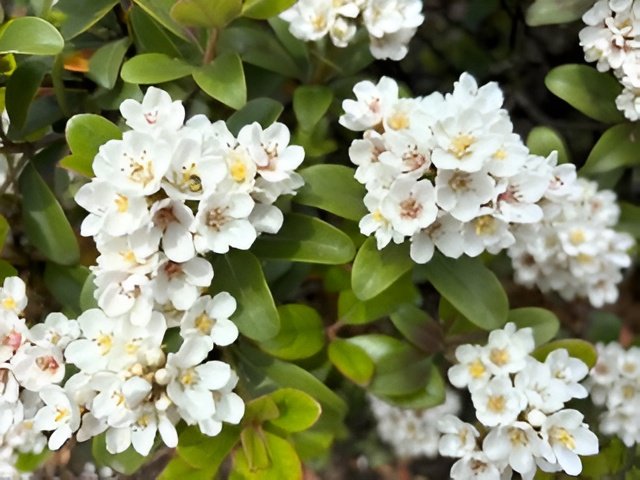
Raphaelepsis is often confused in spelling, but gardeners usually mean the evergreen shrub scientifically known as Rhaphiolepis. Even though the correct botanical name is different, many people search for raphaelepsis when looking for this beautiful landscape plant. This shrub stands out because it stays green all year, produces soft clusters of flowers, and requires very little maintenance once established. If you want a plant that looks neat, structured, and elegant without constant care, raphaelepsis is a strong choice. In this guide, we will explore everything you need to know about raphaelepsis, including its growth habits, planting tips, care routine, common problems, and landscaping value in simple and clear language.
What Raphaelepsis Actually Is
Raphaelepsis refers to a group of evergreen shrubs that belong to the rose family. These shrubs are compact, dense, and naturally rounded in shape. Because of this growth habit, gardeners often use raphaelepsis for borders, foundation planting, and low hedges. The plant keeps its glossy green leaves throughout the year, which means your garden never looks empty or dry in winter. During the blooming season, raphaelepsis produces clusters of small star-shaped flowers that appear in white or soft pink shades. After flowering, dark berries form and add another layer of seasonal interest. So you get greenery, blossoms, and fruit from one plant, making it both practical and decorative at the same time.
Natural Habitat and Climate Preference
Raphaelepsis grows best in warm climates where winters remain mild and summers are long. It thrives in regions with moderate humidity and plenty of sunlight. Although the plant prefers full sun, it can also tolerate partial shade without losing its beauty. However, when grown in deep shade, flowering may reduce. Raphaelepsis handles heat very well, and once its roots establish properly, it can survive short dry periods. Because of its tolerance to salt spray, gardeners in coastal areas often choose raphaelepsis for landscaping. The plant adapts well to urban environments too, which makes it suitable for city gardens, roadside planting, and residential lawns where conditions are not always perfect.
Soil Requirements for Healthy Growth
For strong and healthy raphaelepsis growth, well-draining soil is essential. The plant does not like standing water around its roots. If the soil stays soggy for too long, root problems may develop. Therefore, slightly sandy or loamy soil works best. While raphaelepsis tolerates different soil types, it performs better in slightly acidic to neutral soil. Adding organic matter before planting improves drainage and nutrient balance. Good soil preparation helps the plant establish faster and grow stronger in the long term. If your garden soil is heavy clay, you can improve it by mixing compost and sand to increase airflow around the roots. Healthy roots always mean healthier leaves and more flowers.
Planting Raphaelepsis the Right Way
When planting raphaelepsis, choose a location that receives at least several hours of sunlight daily. Dig a hole that is slightly wider than the root ball but not deeper than the plant’s original container depth. Place the shrub carefully and keep the top of the root ball level with the ground surface. After positioning, fill the hole with soil and gently press it down to remove air pockets. Water thoroughly to help the soil settle around the roots. Adding a layer of mulch around the base helps retain moisture and regulate soil temperature. However, keep mulch slightly away from the main stem to prevent rot. Proper planting sets the foundation for long-term success.
Watering Needs and Drought Tolerance
Raphaelepsis needs regular watering during its early growth stage. Young plants require consistent moisture so their roots can expand and establish properly. Once established, raphaelepsis becomes moderately drought tolerant. This means it can survive short dry periods without serious damage. However, consistent watering during extremely hot weather keeps the plant healthy and encourages better flowering. Always check the soil before watering. If the top layer feels dry, then watering is appropriate. Avoid overwatering because excess moisture can lead to fungal issues. A balanced watering routine supports strong root systems, greener leaves, and vibrant seasonal blooms without causing unnecessary stress to the plant.
Sunlight and Flower Production
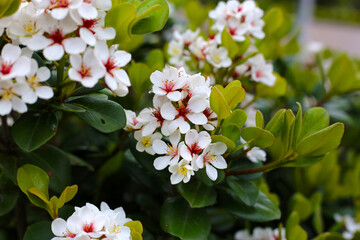
Sunlight plays a major role in how well raphaelepsis blooms. When planted in full sun, the shrub produces more flowers and maintains compact growth. Partial shade is acceptable, but heavy shade may reduce bloom quantity and cause the plant to grow slightly loose in shape. If your goal is to enjoy dense clusters of blossoms, make sure the plant receives good sunlight exposure. Morning sunlight is especially beneficial because it helps dry dew from leaves, reducing the risk of fungal diseases. Proper light conditions not only improve flowering but also enhance leaf color and overall plant structure, making raphaelepsis look healthier and more attractive throughout the year.
Seasonal Flowering and Appearance
One of the most appealing features of raphaelepsis is its seasonal bloom display. During spring, the shrub becomes covered with clusters of small, delicate flowers. These blossoms usually appear in white or pale pink tones and create a soft, elegant look in the garden. The flowering period may vary slightly depending on climate, but spring remains the main blooming season. After flowering ends, small dark berries often develop. These berries add subtle visual interest and sometimes attract birds. Even when not in bloom, raphaelepsis maintains glossy green foliage that keeps landscapes looking structured and alive throughout every season without dramatic changes in appearance.
Pruning and Shaping Raphaelepsis
Raphaelepsis naturally grows in a rounded and compact shape, so heavy pruning is rarely necessary. However, light trimming after the flowering season helps maintain a neat form and encourages denser growth. Removing dead or damaged branches improves airflow and reduces disease risk. If you use raphaelepsis as a hedge, occasional shaping keeps the edges clean and uniform. Avoid aggressive pruning during late fall because new growth may not harden before colder temperatures arrive. Gentle maintenance trimming is enough to keep the plant attractive. The goal is not to control it strictly but to guide its natural shape so it fits beautifully within your landscape design.
Common Diseases and Prevention
Although raphaelepsis is generally hardy, it can sometimes face fungal leaf spot issues, especially in humid climates. Leaf spot appears as dark marks on leaves and may cause early leaf drop if severe. To prevent this, ensure good spacing between plants so air can circulate freely. Water at the base instead of spraying leaves directly. Proper drainage also reduces disease risk. If infection occurs, removing affected leaves quickly can stop the spread. Healthy plants with balanced sunlight and watering are far less likely to develop serious problems. Preventive care is always easier than treatment, so good gardening habits protect raphaelepsis from unnecessary stress.
Fertilizing for Better Growth
Raphaelepsis does not demand heavy feeding, but balanced fertilization supports stronger growth and better blooms. Applying a slow-release fertilizer during early spring gives the plant nutrients right before its active growing season. Avoid over-fertilizing because excessive nutrients can encourage too much leafy growth and reduce flowering. Organic compost works well as a natural soil booster. When the plant receives proper nutrients, it develops richer leaf color and more abundant blossoms. Healthy soil combined with moderate feeding creates a stable environment where raphaelepsis thrives without becoming overly dependent on constant chemical fertilizers.
Landscaping Uses of Raphaelepsis
Garden designers value raphaelepsis because of its structure and versatility. It works well as a foundation plant along house walls, forming a clean and elegant border. It also fits perfectly in mixed shrub beds where its evergreen foliage balances seasonal plants. In addition, raphaelepsis serves as a low hedge that defines walkways and garden edges without growing too tall. Its tidy growth habit reduces maintenance time. Because it tolerates urban conditions, it is frequently used in public spaces and commercial landscapes. Whether planted alone or in groups, raphaelepsis brings calm structure and consistent color to almost any outdoor setting.
Raphaelepsis in Coastal Areas
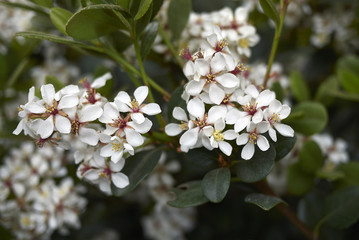
One major advantage of raphaelepsis is its tolerance to salt exposure. Coastal gardeners often struggle with plants that cannot handle salty air and sandy soil. However, raphaelepsis adapts well to these conditions. It maintains leaf quality even when exposed to mild salt spray. This makes it a reliable choice for seaside homes and beachfront properties. While it still needs proper soil drainage, it performs better than many delicate shrubs in coastal climates. Because of this strength, raphaelepsis remains a popular option in regions where other ornamental plants fail to survive long-term environmental stress.
Why Gardeners Prefer Raphaelepsis
Gardeners appreciate raphaelepsis because it combines beauty and simplicity. It stays evergreen, blooms attractively, and does not demand constant attention. For busy homeowners, this combination is ideal. You plant it once, care for it properly during the early stages, and then enjoy years of reliable growth. It does not grow aggressively or invade surrounding spaces. Instead, it keeps a controlled shape that blends naturally with other plants. This balance between elegance and durability explains why raphaelepsis continues to remain popular in residential and commercial landscaping projects across warm regions.
Conclusion
To keep raphaelepsis healthy over many years, focus on consistent care rather than extreme measures. Check soil drainage regularly and avoid overwatering. Prune lightly after blooming to maintain shape. Refresh mulch annually to protect roots and conserve moisture. Inspect leaves occasionally for signs of disease so you can act early if needed. With these simple habits, raphaelepsis can remain attractive for decades. Long term success comes from steady, thoughtful gardening rather than complicated techniques. When you provide stable conditions, the plant rewards you with dependable structure and seasonal beauty year after year.
FAQs About Raphaelepsis
What is raphaelepsis used for
Raphaelepsis is mainly used for landscaping, including hedges, borders, and foundation planting because it stays evergreen and grows in a neat shape.
Does raphaelepsis need full sun
Raphaelepsis grows best in full sun, but it can tolerate partial shade with slightly reduced flowering.
How often should I water raphaelepsis
Water young plants regularly. Once established, raphaelepsis needs moderate watering and can handle short dry periods.
Is raphaelepsis good for coastal gardens
Yes, raphaelepsis tolerates mild salt exposure, which makes it suitable for coastal areas.
When should I prune raphaelepsis
Prune lightly after the flowering season to maintain shape and encourage healthy growth.
Read also: Tennessee Titans vs Jacksonville Jaguars Match Player Stats