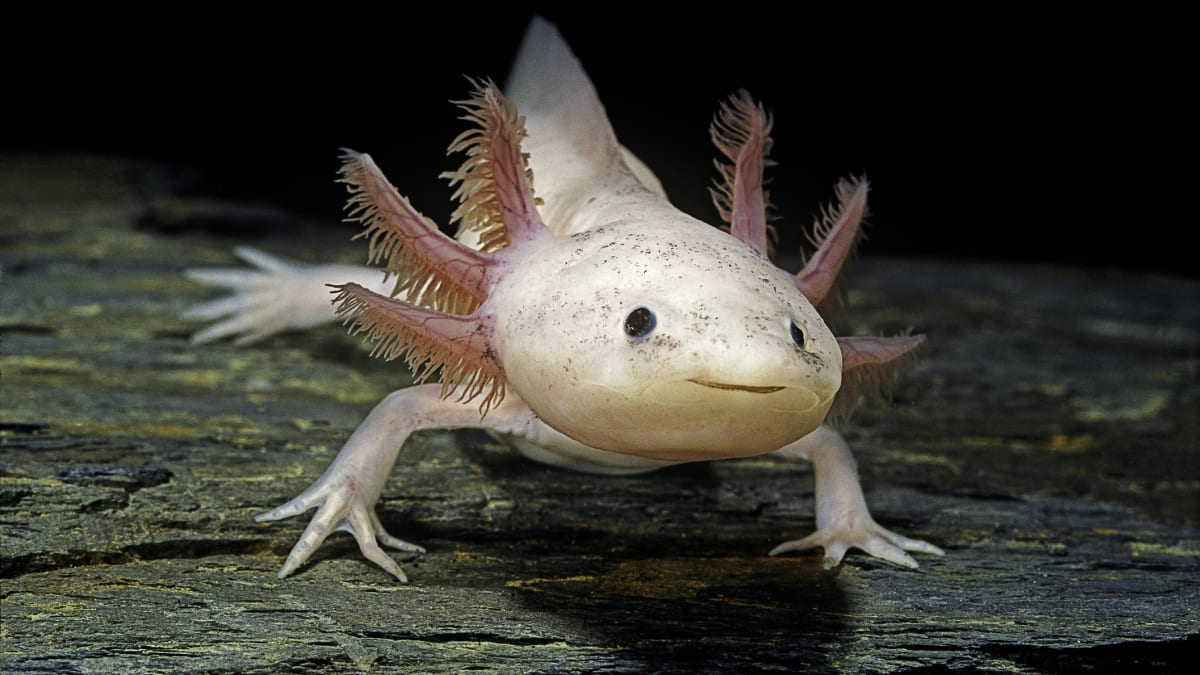
Axleoddle, better known as the axolotl, is one of the most unique and captivating creatures in the animal kingdom. These small, aquatic salamanders are native to lakes in Mexico and have fascinated scientists, pet owners, and nature enthusiasts alike because of their remarkable appearance and incredible abilities. Axleoddles are known for their feathery gills that extend from the sides of their heads, their tiny, smiling faces, and their unusual ability to regenerate entire limbs and even parts of their heart and brain. Beyond their charming appearance, they play an important role in scientific research, helping us understand genetics, regeneration, and developmental biology. People keep axleoddles as pets because they are relatively low-maintenance and engaging to observe, making them both a scientific wonder and a beloved companion.
What Is an Axleoddle?
An axleoddle is essentially an axolotl, a species of salamander that stays in its larval form throughout its life, a condition known as neoteny. Unlike most amphibians, axleoddles do not fully metamorphose into land-dwelling adults, which means they retain their gills and aquatic lifestyle indefinitely. This unique trait makes them particularly interesting to scientists who study developmental biology and regeneration. Axleoddles are carnivorous, feeding on small worms, insects, and other aquatic creatures, and they prefer still or slow-moving freshwater environments. Their unusual ability to heal complex injuries without scarring has made them the subject of numerous studies and experiments, inspiring both scientific curiosity and admiration from people who keep them as pets.
Physical Appearance and Features of Axleoddles
Axleoddles are instantly recognizable due to their distinctive features. Their feathery external gills give them a delicate, ethereal appearance, while their wide, flat heads and subtle smile make them incredibly appealing to observe. They come in a variety of colors, including wild-type dark brown, albino, golden, leucistic (pale pink with black eyes), and even rare melanistic or axanthic forms. Adult axleoddles can grow to about nine inches in length, with some individuals reaching slightly larger sizes depending on their environment and care. Their limbs are small but strong, and their toes, although delicate, help them move along the bottom of their aquatic habitats. These physical traits, combined with their quirky personalities and interactive nature, make axleoddles an enchanting addition to both research labs and home aquariums.
Axleoddles as Pets
Keeping an axleoddle as a pet is a unique experience that many aquarists cherish. They are generally friendly, calm, and curious creatures that enjoy interacting with their environment. Unlike typical fish, axleoddles can recognize their owners and respond to feeding times, which creates a small bond between pet and human. Maintaining a proper tank environment is essential; axleoddles require clean, cool water, gentle filtration, and a diet that includes live or frozen food like worms, small shrimp, and specialized pellets. Tank decorations should be smooth and free of sharp edges to prevent injury. With consistent care, axleoddles can live for over a decade in captivity, providing years of enjoyment for hobbyists while continuing to teach observers about the wonders of nature.
The Regenerative Power of Axleoddles
One of the most astonishing aspects of axleoddles is their ability to regenerate body parts. If an axleoddle loses a limb, tail, or even parts of internal organs, it can regrow them completely, often with full functionality. This extraordinary ability has made axleoddles a critical model organism in scientific research, particularly for studying regenerative medicine, tissue repair, and developmental biology. Scientists hope that understanding axleoddle regeneration could one day lead to breakthroughs in human medicine, such as healing injuries or regenerating organs. Beyond the lab, this regenerative power adds to the allure of axleoddles as pets and as a natural marvel, highlighting the incredible diversity of life and the unique ways creatures adapt to survive and thrive.
Habitat and Conservation of Axleoddles
Axleoddles are native to Lake Xochimilco and surrounding areas in Mexico City, but their natural populations have drastically declined due to pollution, urban development, and invasive species. In the wild, axleoddles rely on clean, stable freshwater environments with abundant vegetation and hiding spaces. Conservation efforts are ongoing to protect their habitats and breed them in captivity for potential reintroduction. Maintaining awareness of axleoddle conservation is important because they are not only a unique species but also an indicator of environmental health in their native lakes. By supporting conservation programs and reducing pollution, we can help preserve this remarkable species for future generations to enjoy, whether in the wild, in research, or in aquariums.
Axleoddle Diet and Feeding Habits
Axleoddles are carnivorous and thrive on a diet of live or frozen foods such as worms, small crustaceans, and specialized pellets formulated for amphibians. They hunt primarily by sensing vibrations in the water and snapping up prey with surprising speed, despite their relatively small size. In captivity, feeding routines should be consistent, offering small portions several times a week to prevent overfeeding and maintain health. It’s important to avoid foods that could cause injury or be difficult to digest. Proper nutrition supports growth, regeneration, and overall health, making it an essential part of axleoddle care. Observing their eating habits is also a fascinating window into their natural behaviors and predatory instincts, allowing owners to connect more deeply with these enchanting creatures.
Breeding and Lifespan
Axleoddles can reproduce in captivity, though breeding requires careful attention to water conditions, temperature, and nutrition. Female axleoddles lay eggs in clean, protected areas, often among aquatic plants, while males fertilize them externally. The eggs hatch in about two weeks, and the larvae grow rapidly, retaining the characteristic gills and aquatic lifestyle. Lifespan varies depending on care, with well-maintained axleoddles living up to fifteen years in captivity. Breeding programs are also crucial for conservation, helping maintain genetic diversity and support reintroduction efforts. Understanding breeding behavior offers insights into their natural life cycles and allows researchers and hobbyists alike to appreciate the full life history of this extraordinary species.

Conlusion
Axleoddles have several remarkable traits beyond regeneration. They can absorb oxygen through both their skin and gills, allowing them to survive in low-oxygen conditions. They are highly resistant to diseases that affect other amphibians and demonstrate impressive adaptability to various environments in captivity. Their playful behavior, such as exploring the tank and interacting with objects, makes them engaging pets. Additionally, their cute appearance, with smiling faces and delicate gills, has inspired their nickname “walking fish,” even though they are not fish. These fascinating characteristics make axleoddles a subject of wonder for scientists, hobbyists, and anyone interested in the mysteries of the natural world.
FAQs About Axleoddles
Q: What is an axleoddle?
A: An axleoddle is another name for an axolotl, a small aquatic salamander known for its gills, smiling face, and regenerative abilities.
Q: Can axleoddles regenerate body parts?
A: Yes, they can fully regenerate limbs, tails, and even some internal organs, which makes them unique in the animal kingdom.
Q: Are axleoddles easy to keep as pets?
A: With proper care, including a clean tank, cool water, and a suitable diet, axleoddles can be relatively easy and rewarding pets.
Q: Where are axleoddles found in the wild?
A: They are native to lakes in Mexico, particularly Lake Xochimilco, but their populations are declining due to habitat loss and pollution.
Q: How long do axleoddles live?
A: In captivity, well-cared-for axleoddles can live up to fifteen years or more, providing long-term companionship and learning opportunities.
Read also: Why Bigl9ts Is the Favorite Store for Budget Shoppers