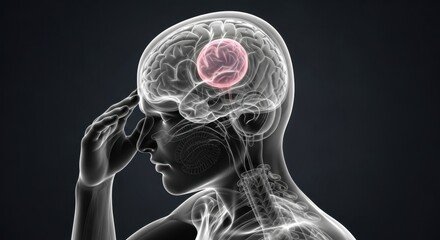
The word “glastobioma” is often used mistakenly, but what people usually mean is glioblastoma, one of the most aggressive brain cancers. Glastobioma develops in glial cells that protect and support neurons in the brain. These cells can start to divide uncontrollably, forming a mass that disrupts how the brain works. The condition is fast-growing and often appears suddenly, leaving little time for early detection. Because it affects vital areas of the brain, the symptoms can vary depending on where the tumor forms. Understanding glastobioma is the first step toward recognizing its impact and learning about the ways doctors approach this serious condition with care and modern treatment methods.
How Glastobioma Develops in the Brain
To understand glastobioma, you need to know a bit about glial cells. These cells are like the brain’s support crew, keeping neurons healthy and balanced. But when something goes wrong—such as a mutation or damage in the DNA—these supportive cells can turn dangerous. They start dividing too fast, forming a tumor that grows deep into the brain tissue. Unlike some cancers that stay contained, glastobioma cells spread into nearby areas, making complete removal almost impossible. This is what makes glastobioma so aggressive and difficult to treat. The tumor doesn’t grow in one clean lump; instead, it blends into the brain’s structure, making it a real challenge for surgeons and oncologists.
Common Symptoms of Glastobioma
The symptoms of glastobioma depend on which part of the brain is affected, but some signs appear more often than others. Many people experience constant headaches that gradually worsen, especially in the morning. Some notice changes in vision, balance, or memory. Others might have sudden seizures or difficulty speaking clearly. As the tumor grows, it puts pressure on different parts of the brain, leading to confusion, weakness, or mood changes. These symptoms can come and go at first, but they often become more noticeable over time. Recognizing these early warning signs is crucial for getting a diagnosis before the tumor advances too far.
Causes and Risk Factors of Glastobioma
Doctors still don’t know the exact cause of glastobioma, but research points to a mix of genetic and environmental factors. It doesn’t usually run in families, though some inherited conditions can increase risk. Radiation exposure, especially to the head, is another known factor. In most cases, though, glastobioma seems to occur randomly, without clear warning. The disease tends to affect older adults more often, though it can appear at any age. Understanding the potential risk factors helps scientists study why glastobioma forms and how they might prevent or slow it in the future.
How Glastobioma Is Diagnosed
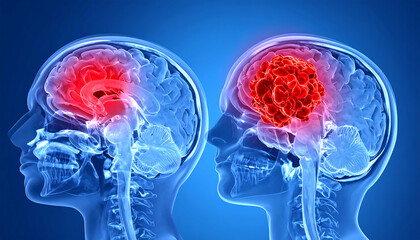
Diagnosing glastobioma requires a mix of medical tests and imaging. Doctors usually start with an MRI or CT scan to locate the tumor and see its size. Once they identify an abnormal mass, a biopsy is performed to confirm whether it’s glastobioma. During this test, a small piece of the tumor is removed and analyzed in a lab to check for specific cell patterns and genetic changes. These details help doctors decide on the best treatment plan. The process can feel overwhelming, but early diagnosis offers a better chance of managing the symptoms and slowing down tumor growth.
Stages and Progression of Glastobioma
Glastobioma is considered a grade IV tumor, which means it’s at the highest level of aggressiveness. Unlike other cancers that have multiple stages, glastobioma is already advanced by the time it’s found. It grows quickly, creating new blood vessels that feed the tumor and allow it to spread. This makes it difficult to control, even with strong treatments. The tumor’s ability to invade nearby brain tissue is what causes many of the serious symptoms. Despite this, researchers continue to study its growth pattern to find ways to interrupt its progression and give patients a longer, better quality of life.
Treatment Options for Glastobioma
Treating glastobioma requires a team of specialists who work together to slow its growth and relieve symptoms. Surgery is often the first step, where doctors remove as much of the tumor as safely possible. Since glastobioma spreads into nearby brain areas, complete removal is rarely achievable. After surgery, patients usually undergo radiation therapy and chemotherapy to target leftover cells. A common drug used is temozolomide, which helps stop cancer cells from dividing. Doctors may also recommend targeted therapies or clinical trials to explore new treatments. The goal isn’t always a cure, but extending life and improving comfort for the patient.
The Role of Surgery in Treating Glastobioma
Surgery is often the most direct way to reduce a glastobioma’s impact, but it’s also one of the most complex. The brain is delicate, and surgeons must remove the tumor without harming essential areas that control movement, speech, or memory. Using advanced technology like intraoperative MRI and computer guidance, doctors can remove as much tumor tissue as possible while minimizing damage. Though surgery can’t eliminate every cancer cell, it helps relieve pressure in the brain and reduces symptoms like headaches or seizures. Afterward, radiation and chemotherapy help destroy the remaining tumor cells.
Chemotherapy and Radiation Therapy for Glastobioma
Chemotherapy and radiation are powerful tools in glastobioma treatment. Radiation therapy uses high-energy beams to target tumor cells and prevent them from growing. It’s often given over several weeks to carefully balance effectiveness with side effects. Chemotherapy, especially the drug temozolomide, is commonly used alongside radiation to boost its effects. Together, these treatments can slow down the tumor’s return and shrink its size. While they don’t cure glastobioma, they provide valuable time and can improve daily functioning for patients who respond well to the therapy.
Emerging Treatments and Research for Glastobioma
The fight against glastobioma continues in research labs around the world. Scientists are exploring new treatments like immunotherapy, which helps the body’s immune system recognize and destroy cancer cells. Gene therapy and tumor vaccines are also being studied to target the specific mutations that drive glastobioma growth. Some clinical trials test drugs that cut off the tumor’s blood supply or block its ability to spread. While many of these are still in the early stages, they offer hope for future treatments that could turn glastobioma from a deadly disease into a manageable condition.

Living with Glastobioma
Being diagnosed with glastobioma changes everything. Patients must learn to manage both the physical and emotional challenges that come with the disease. Treatments can cause fatigue, nausea, and cognitive changes, making everyday tasks harder. Support from family, friends, and medical teams is vital. Many patients also find comfort in support groups or counseling. While life after diagnosis isn’t easy, focusing on good nutrition, gentle activity, and emotional well-being can help maintain strength and stability. Living with glastobioma means taking things one step at a time, celebrating small victories, and finding hope in ongoing care.
The Emotional Impact of Glastobioma
Beyond the physical symptoms, glastobioma deeply affects emotional health. Fear, sadness, and anxiety often accompany a diagnosis. Patients may struggle with uncertainty about the future and the effects of treatment. That’s why mental health support is just as important as medical care. Talking with counselors, joining support groups, or connecting with others who have glastobioma can bring comfort and understanding. Emotional strength plays a huge role in managing the disease, helping patients focus on quality of life rather than the fear of the unknown.
Nutrition and Lifestyle for Glastobioma Patients
A balanced lifestyle can make a meaningful difference for those living with glastobioma. Eating nutrient-rich foods like fruits, vegetables, and whole grains helps the body recover from treatment. Staying hydrated and getting enough rest supports healing, while gentle exercise improves mood and energy levels. Avoiding alcohol and smoking is also crucial, as these can interfere with recovery. Though diet can’t cure glastobioma, it can help patients feel stronger and maintain their quality of life during treatment. Every small step toward healthier living adds up in the long run.
Rehabilitation After Glastobioma Treatment
After treatment, rehabilitation plays an important role in helping patients regain lost skills. Depending on which brain areas were affected, therapy might focus on movement, speech, or memory. Physical therapy helps with coordination and strength, while occupational therapy teaches ways to handle daily tasks independently. Speech therapy supports communication and swallowing. Each program is customized to the patient’s needs, helping them adjust to life after treatment. The goal of rehabilitation isn’t just recovery—it’s about restoring confidence and independence wherever possible.
Coping Strategies for Patients and Families
A glastobioma diagnosis affects the entire family. Learning to cope takes patience and teamwork. Families can support their loved one by staying informed, managing appointments, and keeping communication open. It’s okay to ask for help from professionals or join caregiver support groups. Sharing responsibilities reduces stress and helps everyone focus on quality time together. For patients, journaling, meditation, and spending time with loved ones can ease emotional strain. Facing glastobioma as a team makes the journey more bearable and strengthens the bond between everyone involved.
Support Systems for Glastobioma Patients
Strong support systems are essential for anyone living with glastobioma. Hospitals often connect patients to counselors, palliative care specialists, and rehabilitation experts. Nonprofit organizations also provide resources and communities where patients can share experiences and find encouragement. Support groups, whether in person or online, offer a space to discuss challenges without judgment. Knowing that others understand what you’re going through can make a big difference. Support doesn’t just help patients—it also gives families the strength and tools to navigate each stage with more hope and understanding.

The Future of Glastobioma Research
While glastobioma remains a tough cancer to treat, research is moving fast. Scientists are studying how the tumor’s genetics work, which may open doors to more targeted treatments. New therapies like stem cell approaches, immune-based treatments, and precision medicine are showing promise. The goal is to find ways to slow or stop tumor growth without damaging healthy brain tissue. Though progress takes time, every discovery brings patients closer to longer, healthier lives. The future holds hope, driven by the passion of researchers and the courage of those living with glastobioma.
Stories of Strength and Hope
Even with such a serious diagnosis, many people facing glastobioma show remarkable strength. Some patients live longer than expected, thanks to early detection, effective care, and strong willpower. Others find peace in creating memories with family or raising awareness about the disease. Their courage inspires others to stay hopeful and determined, no matter how hard the road gets. These stories remind us that while glastobioma is a powerful opponent, the human spirit is even stronger.
Raising Awareness About Glastobioma
Awareness matters. The more people understand glastobioma, the faster progress can be made in treatment and research. Sharing information helps reduce fear and misunderstanding about brain cancer. Public campaigns, educational programs, and community support all contribute to funding new research and helping families affected by the disease. Talking openly about glastobioma encourages early diagnosis and better outcomes. Knowledge empowers people to take action, support others, and push for continued advances in brain cancer treatment.
Conclusion
Glastobioma is one of the most complex and challenging forms of brain cancer, but understanding it brings clarity and direction. From early symptoms to treatment and recovery, every step in this journey matters. Science continues to evolve, offering new hope for patients and families. The key is awareness, compassion, and perseverance. While glastobioma cannot yet be cured, it can be managed with care, support, and ongoing research. The courage of those living with it reminds us of the importance of resilience, love, and never giving up.
FAQs About Glastobioma
What is glastobioma?
Glastobioma is likely a misspelling of glioblastoma, an aggressive type of brain cancer that starts in glial cells and grows rapidly.
What are the early symptoms of glastobioma?
Common symptoms include headaches, seizures, vision changes, confusion, or memory problems, depending on the tumor’s location.
Can glastobioma be cured?
Currently, glastobioma cannot be fully cured, but treatment can slow its growth and improve quality of life.
How is glastobioma treated?
Treatment usually includes surgery, radiation, and chemotherapy. Some patients may also join clinical trials for new therapies.
Who is most at risk for glastobioma?
Older adults are more commonly affected, though it can appear at any age. Genetic factors and radiation exposure may increase risk.
Read also: Understanding ssevaqwb and Its Role in Electric Vehicle Education